Hispanic Wealth in 2026: What the Data Teaches All of Us

Something important is happening in America.

Hispanic families are not simply earning more. Increasingly, they are owning more.

Homes. Businesses. Investments. Assets that can grow, produce income, provide security, and potentially be passed to another generation.

According to the 2026 State of Hispanic Wealth Report, Hispanic household wealth has more than tripled since the Hispanic Wealth Project was established in 2014. The report identifies progress across four areas of wealth creation: real estate, business ownership, financial assets, and asset protection.

Hispanic Wealth Project Report Download

Those numbers deserve to be celebrated.

But I believe they also deserve to be studied.

Because while this report focuses on Hispanic wealth, the fundamental lessons behind that progress aren’t exclusively Hispanic.

They are lessons about ownership, discipline, preparation, family, protection, and purpose.

And those lessons can serve all of us.

Hispanic Wealth Has Come a Long Way

To appreciate the progress, we need to understand where this particular story began.

The Hispanic Wealth Project was established by NAHREP in 2014, in the aftermath of the Great Recession and 2008 housing crisis. According to the 2026 State of Hispanic Wealth Report, Hispanic households lost as much as two-thirds of their household wealth during that period. Many Hispanic families had purchased homes near the peak of the housing bubble and held a larger portion of their wealth in home equity, leaving them particularly vulnerable when home values fell.

In response, the Hispanic Wealth Project set an ambitious goal: triple Hispanic household wealth by 2024.

That goal was achieved ahead of schedule.

The organization has since established a new objective: reduce the proportional wealth gap between Hispanic and non-Hispanic White households by 50% by 2034.

Hispanic Wealth Project 2034 Goals

There is still significant work ahead. Wealth disparities remain.

But progress matters.

Median Hispanic household wealth more than tripled between 2013 and 2022. Hispanic owner-households reached 10.2 million in 2025. Hispanic-owned employer firms are expanding rapidly. More Hispanic households are also participating in retirement plans, brokerage accounts, stocks, and other financial assets.

To me, the most interesting part isn’t one statistic.

It’s the pattern behind them.

Wealth grows differently when we move from earning to owning.

The Four Pillars of Hispanic Wealth

The 2026 report gives us a useful framework for understanding that shift.

It examines wealth through four interconnected areas: real estate, business ownership, financial assets, and asset protection.

1. Real Estate

Real estate remains foundational to Hispanic household wealth.

Hispanic owner-households reached a record 10.2 million in 2025. The report also states that Hispanic homeowners hold 26.4 times the net worth of Hispanic renters.

That doesn’t mean buying a home automatically creates financial success. Nor does it mean homeownership is right for everyone at every moment.

It demonstrates something more fundamental.

Ownership matters.

Hispanic Wealth Project Real Estate Goals

A home can provide stability and create equity over time. Real estate may also become part of a broader investment strategy.

But a house should not necessarily be the end of someone’s wealth-building journey.

It can be a beginning.

2. Business Ownership

Entrepreneurship tells another powerful part of the story.

Hispanic Wealth Project Growth Among Hispanic-Owned Employer Firms

According to the report, Hispanic-owned employer firms grew 49.5% over five years, compared with 3.7% growth for employer firms overall. These businesses generate $832 billion in annual revenue.

For entrepreneurs, however, there is an important distinction between creating income and creating an asset.

A business may pay you well today. The bigger long-term question is whether that business is also helping you build equity, personal assets, financial independence, and something of value beyond your next paycheck.

Hard work matters.

But eventually we should ask:

What is all this hard work building?

3. Financial Assets

This may represent one of the most important opportunities in the report.

Financial assets represent an important opportunity for Hispanic families to further diversify their wealth. According to the report, 45% of Latinos held a tax-preferred retirement account, yet only 21% felt their retirement savings were on track. Access remains another challenge: only 47% of Latino workers have access to a retirement plan through their employer.

That’s an important distinction.

A raise can increase your income.

A bigger business can increase your income.

A promotion can increase your income.

But income alone isn’t wealth.

What matters is what happens after the money arrives.

Hispanic Wealth Project Retirement Readiness

Do you keep some of it?

Are you controlling unnecessary debt?

Are you investing appropriately for your goals and circumstances?

Are you acquiring assets?

Is your net worth growing?

Those questions take us from making money to building wealth.

4. Asset Protection

This fourth pillar may be the one people overlook most.

We spend years thinking about how to build wealth and surprisingly little time asking how to protect what we’ve built.

The Hispanic Wealth Project itself evolved in this direction. Its original blueprint centered on sustainable homeownership, entrepreneurship, and increased savings and investments. It later added asset protection and estate planning as a component goal.

Hispanic Wealth Project Estate Planning

The need becomes increasingly important as wealth grows.

More than 1.2 million Hispanic households now report a net worth of at least $1 million, according to the report. Yet it reports that only 14% of Latino adults have a will and 11.1% have a trust.

That evolution in the wealth conversation makes sense.

Eventually, we must move from:

How do I accumulate it?

to:

How do I protect it?

and eventually:

How do I transfer it?

That can involve questions around insurance, beneficiaries, wills, trusts, powers of attorney, estate planning, business protection, and other strategies depending on someone’s circumstances.

Building something valuable is one responsibility.

Preparing for what happens to it when life doesn’t go according to plan is another.

Wealth Is More Than a Number

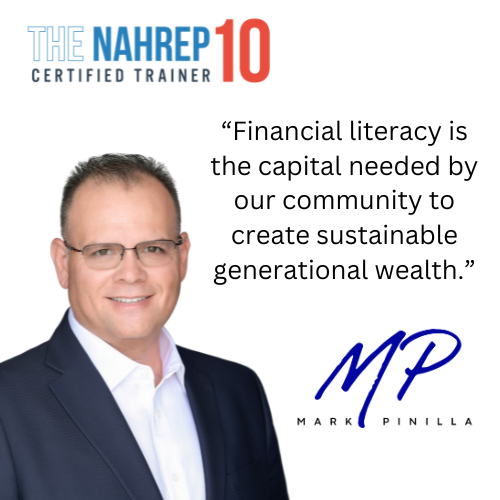
This is where the 2026 report connects deeply with something I teach as a NAHREP 10 Certified Trainer.
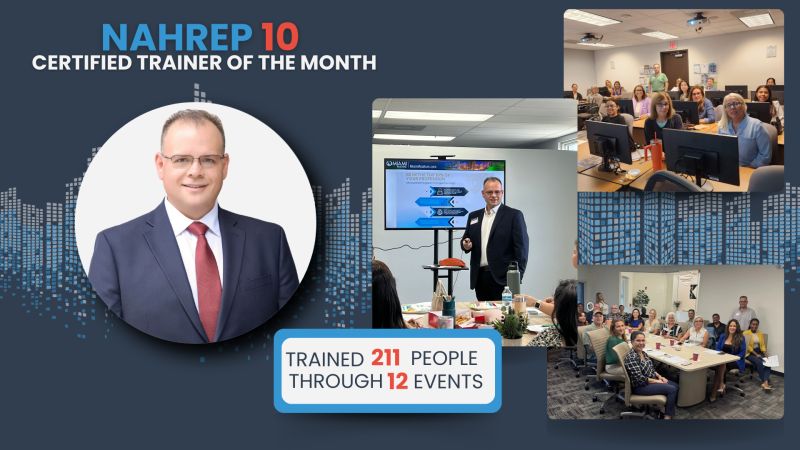
Mark Pinilla Hispanic Wealth Project NAHREP 10 Certified Trainer

The first of the NAHREP 10 Disciplines is:

Have a mature understanding of wealth and prosperity.

My interpretation of that principle goes beyond a bank balance.

True prosperity should strengthen your finances, but it should also create greater freedom, family strength, purpose, and the opportunity to make an impact.

You can earn a lot of money and still live paycheck to paycheck.

You can own an expensive car and have little invested for retirement.

You can have a successful business while your family is financially vulnerable if something happens to you.

Visible success and financial strength are not always the same thing.

That is why I want people to think about wealth differently.

A Simple Wealth-Building Journey

One way I think about the process is:

EARN → KEEP → BUILD → PROTECT → TRANSFER → IMPACT

Earn: Develop your skills, profession, or business so you can produce income.

Keep: Control spending and debt so everything you earn doesn’t disappear.

Build: Acquire assets that support your long-term goals. These may include investments, real estate, retirement assets, or business equity.

Protect: Consider the financial and legal risks that could disrupt what you’re building.

Transfer: Decide intentionally how assets and knowledge should reach the next generation.

Impact: Use your success, experience, resources, and time to improve lives beyond your own.

The first five can help create and preserve wealth.

The sixth gives wealth greater meaning.

Why This Matters Beyond the Hispanic Community

I’m proud to discuss Hispanic wealth. I’m proud of the resilience, entrepreneurship, family responsibility, sacrifice, and aspiration reflected in this report.

But my work isn’t limited to Hispanic families.

The data may tell a Hispanic story. The disciplines behind building a stronger financial life can serve everyone.

Whether your last name is García, Johnson, Williams, Patel, Rodriguez, Smith, or something else, the fundamental questions remain remarkably similar.

What are you earning?

What are you keeping?

What do you own?

What do you owe?

What are you building?

What have you protected?

And who benefits from everything you’re working so hard to create?

Those are not Hispanic questions.

They are human questions.

Financial Freedom Starts With Clarity

Reading a national wealth report can tell us where millions of households are heading.

It cannot tell you where your household stands.

That’s personal.

You may need to reduce debt.

You may be doing well financially but haven’t accumulated enough outside your home or business.

You may need to think more intentionally about retirement.

You may be concerned about paying for your children’s education.

Perhaps you’ve accumulated meaningful assets but haven’t given enough attention to protecting your income, family, or estate.

Before deciding on solutions, you need clarity.

That’s why I believe in starting with what I call a Financial Blueprint conversation.

The purpose is simple: understand where you are today, clarify where you want to go, identify potential gaps, and determine which areas deserve attention.

Not everyone needs the same strategy.

Your goals matter.

Your family matters.

Your timeline matters.

Your financial situation matters.

And your dreams matter.

From Survival to Legacy

Financial progress often begins with survival.

Can I pay the bills?

Then comes stability.

Can I get out of debt and build some breathing room?

Eventually, the questions become bigger.

Can I build financial freedom?

Can I help my children start from a stronger position?

Can I use what I’ve learned and built to serve someone else?

That’s the progression I care about:

SURVIVAL → SUCCESS → SIGNIFICANCE → LEGACY

My vision of legacy isn’t simply leaving money behind.

I want my legacy to be that I served others so they could live a better quality of life and become better versions of themselves, financially, educationally, spiritually, and in their family lives.

And I hope they choose to serve others in the same way.

That’s when wealth becomes más que dinero.

More than money.

It becomes freedom, family, purpose, service, and the opportunity to leave people better than we found them.

Your Next Step: Start With Your Own Financial Picture

Hispanic Wealth Project Wealth Report

The 2026 State of Hispanic Wealth Report gives us encouraging evidence of what can happen when income increasingly becomes ownership.

Now bring the question home.

Which part of your financial life deserves more attention right now: earning, keeping, building, protecting, transferring, or impact?

You don’t need to solve everything today.

But you should know where you’re starting.

If you’d like to have a Financial Blueprint conversation with me, we can look at your current situation, goals, dreams, and financial priorities and identify the areas that may deserve your attention next.

Start a Financial Blueprint conversation with Mark Pinilla

Continue the Conversation with Mark Pinilla

Growth doesn’t stop when the article ends. Keep learning, challenging your thinking, and building a life of success, significance, and legacy.

Instagram | Leadership insights:
https://www.instagram.com/markthespeaker

LinkedIn | Connect professionally:
https://www.linkedin.com/in/markpinilla/

See what others are saying about Mark:
https://share.google/M8EO56f4ZJTNVieuh

Bluesky | Follow Mark:
https://bsky.app/profile/markpinilla.bsky.social
Fortifying the Latino Brand & Leveraging your NAHREP Membership

Mark Pinilla at NAHREP Fort Lauderdale’s “Level Up 2026: Strategies for Success”

Mark Pinilla delivered a powerful and timely presentation titled “Fortifying the Latino Brand and Leveraging Your NAHREP Membership” at NAHREP Fort Lauderdale’s signature event, Level Up 2026: Strategies for Success.

His keynote was a compelling call to action for all real estate professionals to become the bridge that helps build the perfect Latino family—one that:

  • Owns a home
  • Owns a business
  • Invests in the market
  • Protects what they’ve worked hard for

Mark emphasized that NAHREP members must:

  • Connect with like-minded individuals to drive collective success
  • Educate themselves and their communities to create long-term wealth
  • Build and serve their local communities with purpose
  • Live out the NAHREP 10 Disciplines as role models for generational change

This session wasn’t just informational—it was transformational, urging Latino professionals to step into leadership, legacy, and significance.

👉 Follow the links below to learn more, get involved, and explore resources that will help you build your legacy.

🌐 Mark Pinilla
https://www.markpinilla.com/

🌐 NAHREP – National Association of Hispanic Real Estate Professionals https://nahrep.org/

🌐 NAHREP Fort Lauderdale
https://nahrepfortlauderdale.org

🌐 NAHREP 10 Disciplines
https://nahrep.org/nahrep-10-disciplines

🌐 Become a Certified Trainer https://hispanicwealthproject.org/certifiedtrainer

🌐 NHCA – National Hispanic Construction Alliance
https://nhca.pro/

🌐 Avance Sports
https://avancesports.org/

🌐 Youtube – Fortifying the Latino Brand and Leveraging your NAHREP Membership
https://youtu.be/Ca1BVCEJSZc

#HispanicWealthProject #SustainableGenerationalWealth #WealthBuilding #Homeownership #NAHREP10 #TrainersInAction #EducacionFinanciera #LatinoWealth #Finhabits #RaicesyRiquezas #FinancialLeadership #GenerationalWealth #MarkPinilla

How Falling Treasury Yields Affect Mortgage Rates and Real Estate

What Falling Treasury Yields Could Mean for You—and Your Real Estate Plans

By Mark Pinilla

You may have seen some headlines lately about the 10-year Treasury yield dropping below 4%. That probably sounds like something out of an economics textbook—but here’s why it actually matters to you, especially if you’re thinking about buying, refinancing, or investing in real estate.

When the 10-year Treasury yield drops, mortgage rates often follow. So this recent dip could be a sign that lower mortgage rates are on the way. And that’s great news for buyers, homeowners, and investors who are looking to make smarter moves while the opportunity is here.

What This Means for Buyers and Homeowners

If you’re a buyer, lower interest rates could make homes a little more affordable again—monthly payments go down when rates drop. And if you’re a homeowner with a rate that’s higher than today’s, this might be the right time to consider refinancing to lower your payment or free up some equity.

Even a small change in interest rates can make a noticeable difference in your monthly budget, so it’s worth paying attention.

Why Real Estate Still Makes Sense

The stock market has been up and down lately, and a lot of people are feeling uncertain about where to put their money. That’s one reason real estate continues to stand out—it’s a tangible, long-term investment that people trust.

When things feel unstable, people tend to look for something solid. Real estate has always been that kind of anchor—especially when it comes to building generational wealth or just creating more security for your family.

According to CNBC, the recent drop in yields is linked to economic concerns and shifts in investor confidence—further fueling demand for more stable investments like housing.

Let’s Talk Strategy—Without the Stress

You don’t need to be a financial expert to make smart real estate decisions. That’s what I’m here for.

My job is to keep an eye on what’s happening in the market and help you figure out how it applies to your situation. Whether you’re just starting to explore your options or already thinking about your next move, I’ll help you:

  • Understand what this interest rate shift could mean for your plans
  • Explore refinancing or buying opportunities with less pressure
  • Make informed, confident decisions—at your pace

A Good Time to Check In

No one knows exactly what the market will do next—but when rates show signs of dropping, it’s usually a good time to pause, reassess, and consider your options.

If you’ve been thinking about buying, selling, or refinancing, let’s connect. I’ll walk you through what’s happening without overwhelming you—and we’ll see if now’s the right time to take action or simply prepare for what’s next.

Mark Pinilla
Helping you navigate real estate with clarity and confidence.

Contact Mark Pinilla today!

#RealEstateNews #MortgageRates #RefinanceTips #HomeBuyingTips #RealEstateMarket #HomeLoans #RealEstateInvesting #HousingMarket2025 #MarkPinilla

Hispanic Financial Services: Empowering Families for Wealth

For Hispanic families in America, the journey toward generational wealth is rooted in resilience, ambition, and community. Hispanic Financial Services play a pivotal role in this pursuit, offering tools that can transform earnings into sustainable prosperity. Yet, barriers remain, and for true equity, systemic changes are necessary. Here’s how Hispanics engage with financial services and what needs to evolve to unlock their full potential.

A Foundation of Hispanic Financial Engagement

Contrary to common myths, Hispanic households are actively engaged in the financial system through Hispanic Financial Services. In fact, 96% of Hispanic households have a checking account, showcasing a strong foundation for managing day-to-day finances. Digital financial tools are particularly popular within the community, with 92% of Hispanics using fintech apps for banking, investing, or budgeting. This openness to technology offers a gateway to deeper financial participation.

However, deeper barriers to generational wealth remain, including lower participation in non-cash financial investments. Only 43.7% of Hispanic households own financial assets like stocks, retirement accounts, or bonds, compared to 68.2% of the general population. This gap highlights the need for expanded access and targeted education.

Challenges in Hispanic Financial Services

  1. Limited Access to Financial Products: Many Hispanic families encounter obstacles in accessing wealth-building products. Traditional underwriting practices often overlook self-employed individuals or those with non-W2 income, which disproportionately impacts Hispanic households. Expanding the adoption of alternative underwriting methods, such as cash-flow-based assessments, could open doors for millions.
  2. Cultural and Linguistic Barriers: Financial institutions often fail to meet Hispanic consumers where they are. Bilingual customer service, culturally relevant financial products, and targeted marketing can help bridge these gaps.
  3. Lack of Representation in Financial Services: The underrepresentation of Hispanics in financial advisory roles limits trust and access. As of 2023, only 8.3% of financial analysts and 8.6% of financial advisors were Hispanic. Increasing this share is crucial for building rapport and guiding families through wealth-building strategies.
Hispanic Financial Services

Advancing Hispanic Financial Services

  1. Enhance Financial Literacy: Expanding bilingual education on retirement planning, stock market fundamentals, and the power of compound interest can empower families to start investing earlier. Financial literacy should also emphasize discipline #6 of the NAHREP 10 Disciplines: “Know your net worth including the value of your business because you can’t improve what you don’t measure.”
  2. Leverage Technology: Fintech platforms tailored to Hispanic consumers—offering Spanish-language support and culturally relevant features—can drive participation in savings, investing, and insurance.
  3. Expand Access to Investment Products: Financial institutions must simplify access to retirement accounts, mutual funds, and other long-term investment vehicles. Flexible contributions and reduced fees can make these options more accessible for first-time investors.
  4. Increase Representation in Financial Services: Programs to recruit and train Hispanic financial advisors will foster trust within the community, creating pathways for wealth-building advice that resonates culturally.

A Call to Action

Hispanic families have the ambition and drive to build generational wealth. What they need are the right tools and an equitable financial system that supports their journey. By addressing gaps in financial literacy, access, and representation, Hispanic Financial Services can become a true partner in creating sustainable wealth.

If you’re ready to start building wealth through real estate and investments, reach out to Mark Pinilla for personalized guidance. Waiting isn’t an option when opportunities abound.

Additional Resources:
Get more information on Property Management
Get more information on Real Estate

#HispanicWealthProject #SustainableGenerationalWealth #WealthBuilding #Homeownership #NAHREP10 #TrainersInAction #EducacionFinanciera #LatinoWealth #Finhabits #RaicesyRiquezas #FinancialLeadership #GenerationalWealth #MarkPinilla

The Wealth-Building Power of Homeownership

Homeownership isn’t just a roof over your head—it’s a cornerstone of wealth-building, particularly for the Hispanic community. As the Hispanic Wealth Project™ outlines, homeownership is one of the most effective pathways to narrowing the wealth gap and fostering generational financial security. In fact, owning a home can significantly multiply household wealth, enabling families to thrive for generations.

Homeownership: The American Dream and Beyond

Owning a home is a classic symbol of the American Dream, representing stability, pride, and accomplishment. But its impact goes deeper. According to the 2024 State of Hispanic Wealth Report, the median net worth of Hispanic homeowners is $233,100, over 26 times higher than Hispanic renters. This wealth stems largely from home equity—a reliable, appreciating asset that serves as a financial foundation for future investments, education, or business ventures.

Building Wealth Through Real Estate

For many Hispanic families, homeownership isn’t just about having a place to call their own—it’s about building an ecosystem of financial growth. The equity gained from homeownership often acts as a springboard for other investments, including real estate. Hispanic buyers are entering the market earlier, with nearly 45% of Latino homebuyers under age 35.

Moreover, the Hispanic Wealth Project aims to increase the rate of Hispanic investment property ownership by 25%. By investing in real estate beyond primary residences, families can diversify their income and build even greater financial resilience.

NAHREP Discipline: Be Politically Savvy

One key to unlocking these opportunities is understanding the policies that shape access to homeownership. Advocating for affordable housing policies, first-time buyer incentives, and equitable mortgage practices can open the door for more Hispanic families to enter the housing market. This aligns with NAHREP’s discipline to “Be Politically Savvy” by staying informed about legislation that impacts wealth-building opportunities.

Your Partner in Real Estate Wealth

Whether you’re purchasing your first home or expanding into investment properties, having the right guidance is essential. Mark Pinilla, an expert in real estate and investment properties, can help you navigate this journey. Reach out to Mark at markpinilla.com to take the next step toward financial freedom.

Additional Resources:
Get more information on Property Management
Get more information on Real Estate


#HispanicWealthProject #SustainableGenerationalWealth #WealthBuilding #Homeownership #NAHREP10 #TrainersInAction #EducacionFinanciera #LatinoWealth #Finhabits #RaicesyRiquezas #FinancialLeadership #GenerationalWealth #MarkPinilla

Busting the Myth: Hispanics Don’t Just Buy Low-Income Homes

A common stereotype about Hispanic homebuyers is that they only purchase homes in low-income areas. However, the data tells a different story. In 2023, 71% of real estate purchases by Hispanic borrowers were in middle- and upper-income neighborhoods, with only 4% in low-income areas. This shows that Hispanic homebuyers are not just entering the market—they’re investing in neighborhoods with long-term growth potential.

Why This Myth Persists

This misconception likely stems from outdated views of Hispanic economic mobility. In reality, Hispanic homebuyers are thriving in markets traditionally considered more affluent, particularly as they seek to build generational wealth. Many are drawn to high-cost metropolitan areas like Los Angeles and Miami, where opportunities for equity growth are higher.

The Future of Hispanic Homebuying

A Growing Market Segment

Hispanics are the fastest-growing demographic in the U.S., making up 30% of new household growth over the past decade. With a median age of 30, younger than any other group, this community will dominate the homebuying market in the coming decades.

Younger Buyers

Nearly 45% of Hispanic homebuyers in 2023 were under the age of 35, compared to 40% of non-Hispanic buyers. This trend indicates that Hispanics are entering the market earlier, giving them more time to build equity.

Strong Affordability and Accessibility Needs

While Hispanics are purchasing in higher-income neighborhoods, barriers like limited housing inventory and affordability challenges remain. Industry professionals and policymakers must focus on solutions such as affordable housing initiatives and innovative lending practices to keep this momentum going.

How the Industry Can Support Hispanic Homebuyers

  1. Bilingual Services
    Offering Spanish-language support for homebuying services ensures accessibility and trust in the process.
  2. Culturally Relevant Programs
    Addressing multigenerational housing needs, common among Hispanic households, will make the market more inclusive.
  3. Advocating for Affordable Housing
    Policymakers should support zoning reforms and funding for affordable housing projects to increase inventory and access.

Conclusion

The myth that Hispanics only purchase homes in low-income areas is not supported by the facts. This growing community is reshaping the housing market by investing in middle- and upper-income neighborhoods and driving demand in key markets. With the right support, Hispanics will continue to lead the way in homeownership, building wealth and opportunities for generations to come.

Explore More

#HispanicHomebuyers #RealEstateTrends #WealthBuilding #HispanicWealth #NAHREP #Homeownership #HispanicWealthProject #SustainableGenerationalWealth #WealthBuilding #NAHREP10 #TrainersInAction #EducacionFinanciera #LatinoWealth #Finhabits
#RaicesyRiquezas #FinancialLeadership #GenerationalWealth
#MarkPinilla

The Path to Wealth for Hispanics

I had the pleasure of watching this interview live. Very enlightening and eye opening. I found it in LinkedIn and I believe it is important for more to hear.

I have met Sara Rodriguez and she is a true leader and a wealth of knowledge. I look forward to learning more from her in the future.

#HispanicWealthProject
#SustainableGenerationalWealth
#WealthBuilding
#Homeownership
#NAHREP10
#TrainersInAction
#EducacionFinanciera
#LatinoWealth
#Finhabits
#RaicesyRiquezas
#FinancialLeadership
#GenerationalWealth

NAHREP South Florida – Cafecito 305

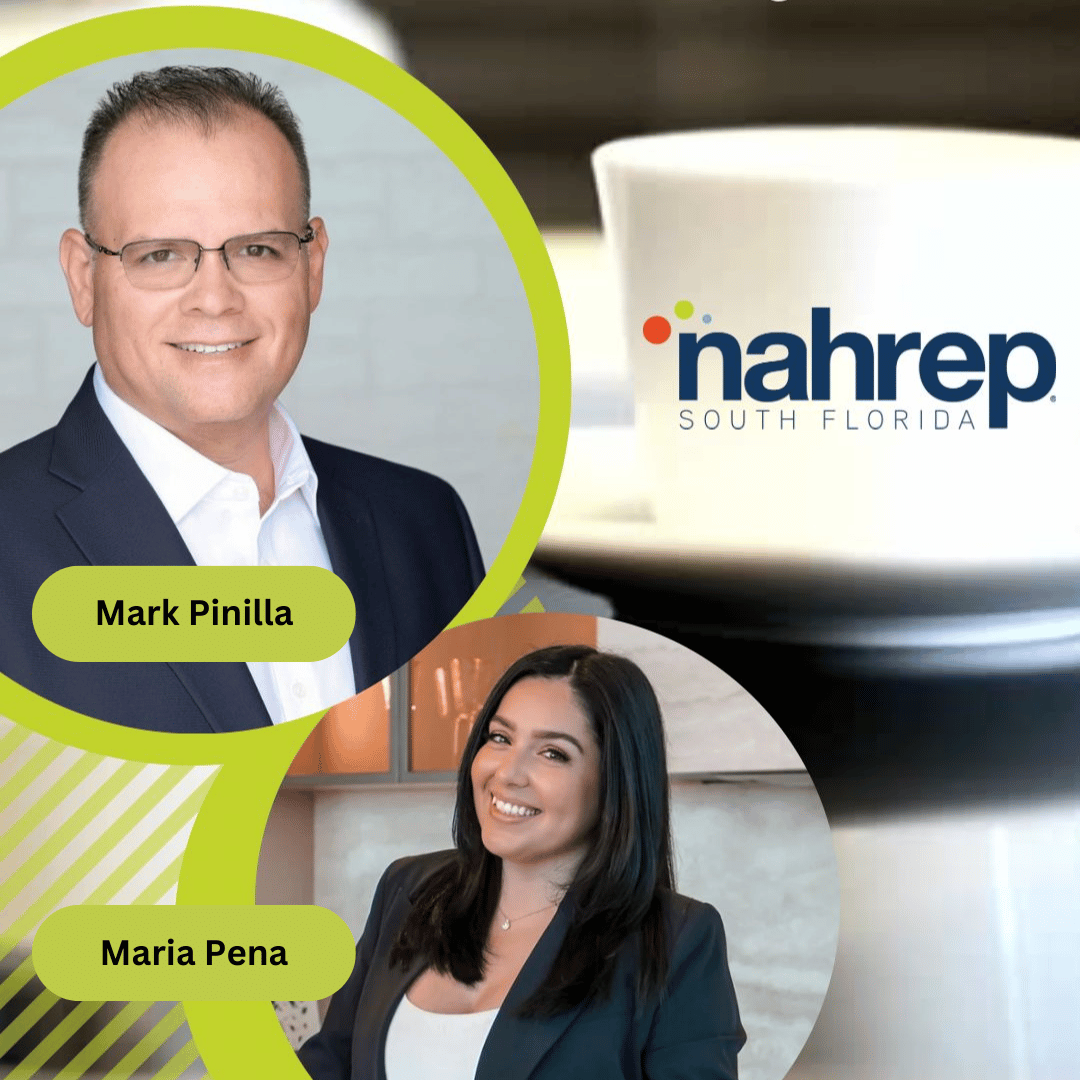
Mark Pinilla, from Keyes Property Management, was invited to speak on Cafecito 305, a program developed by NAHREP South Florida and led by Maria Pena.

Maria’s summary of the Instagram Live…

Just wrapped up a fantastic Cafecito Time IG Live with our 2025 co-education director, Mark Pinilla!

We dove into his journey in real estate, his inspiring work with Vet Info supporting veterans’ mental health, and his role as a Certified Trainer for NAHREP’s 10 Disciplines.

Then we got into Mark’s expertise in property management, covering key questions like:
⠀
•Why property management is crucial and how his turnkey system benefits hands-off investors and landlords.
⠀
•The standout aspects of Keyes Property Management’s maintenance services.
⠀
•How his team handles evictions seamlessly for landlords with step-by-step support.
⠀
•How year-end financial statements help simplify tax season for landlords.
And how Keyes collaborates with realtors in a non-compete way, adding value for clients.

Catch the replay for insights from Mark’s nearly 30 years of combined experience and practical tips for property management!
⠀
#nahrepsfl
#nahrepmiami
#nahrep305
#CafecitoTime
#PropertyManagement

2024 Hispanic Wealth Report

The 2024 State of Hispanic Wealth Report highlights key achievements and goals in Hispanic wealth-building. The Hispanic Wealth Project, established in response to significant losses in Hispanic household wealth after the Great Recession, set a goal to triple Hispanic household wealth by 2024, which was achieved two years early. The report focuses on four primary areas: homeownership, business ownership, financial asset growth, and asset protection. Hispanic homeownership rates have nearly reached 50%, and Hispanic-owned businesses are growing faster than others. However, financial challenges remain, especially in accessing capital and investment opportunities. Hispanic households still face a significant wealth gap with non-Hispanic White households, though this gap has closed proportionally by nearly half over the past decade. The report calls for increased representation of Hispanic professionals in real estate and finance and expanded access to financial education and tools, particularly for estate planning, to ensure wealth preservation and intergenerational transfer.

El Informe del Estado de la Riqueza Hispana 2024 destaca logros y metas clave en la construcción de riqueza para la comunidad hispana. El Proyecto de Riqueza Hispana, creado después de la Gran Recesión para enfrentar pérdidas significativas de patrimonio en los hogares hispanos, estableció como meta triplicar esta riqueza para 2024, alcanzando dicho objetivo dos años antes. El informe se centra en cuatro áreas: propiedad de vivienda, propiedad de negocios, crecimiento de activos financieros y protección de activos. Las tasas de propiedad de vivienda hispana están cerca del 50%, y los negocios hispanos están creciendo más rápido que otros. Sin embargo, persisten desafíos financieros, especialmente en acceso a capital y oportunidades de inversión. Los hogares hispanos aún enfrentan una brecha significativa de riqueza con los hogares blancos no hispanos, aunque esta brecha se ha reducido proporcionalmente casi a la mitad en la última década. El informe recomienda aumentar la representación de profesionales hispanos en bienes raíces y finanzas, y ampliar el acceso a la educación financiera, en especial en planificación patrimonial, para asegurar la preservación de la riqueza y su transferencia intergeneracional.